



When Art Becomes a Language: Salutogenic Encounters in Neurodiverse Communities
Over the past several months, I have had the privilege of accompanying residents within Camphill communities through Anthroposophic Art Therapy. These encounters continue to remind me that art is far more than a creative activity—it can become a language of presence, relationship, and human connection.
Many of the individuals I work alongside identify as neurodivergent. Some communicate fluently with words; others communicate primarily through gesture, movement, facial expression, rhythm, or silence.
Rather than approaching these differences as limitations, my work begins with a simple question:
What language is already alive in this person, and how can art help us meet there?
This question shapes every session.
Meeting Each Person Where They Are
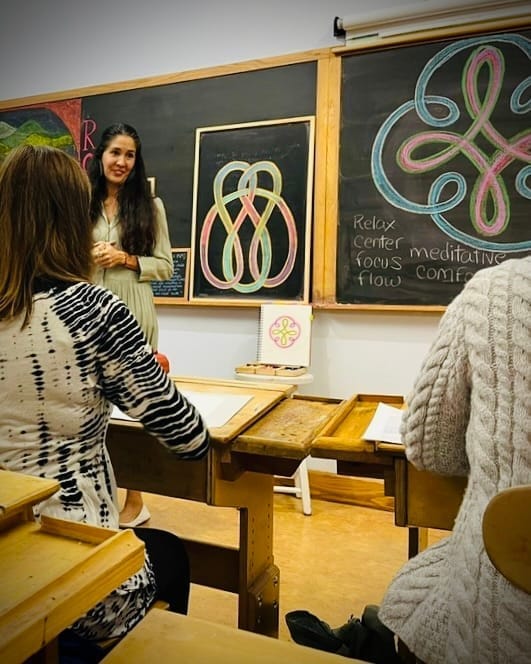
Rather than focusing on artistic results, our work cultivates experiences that support rhythm, sensory integration, grounding, attention, and relationship.
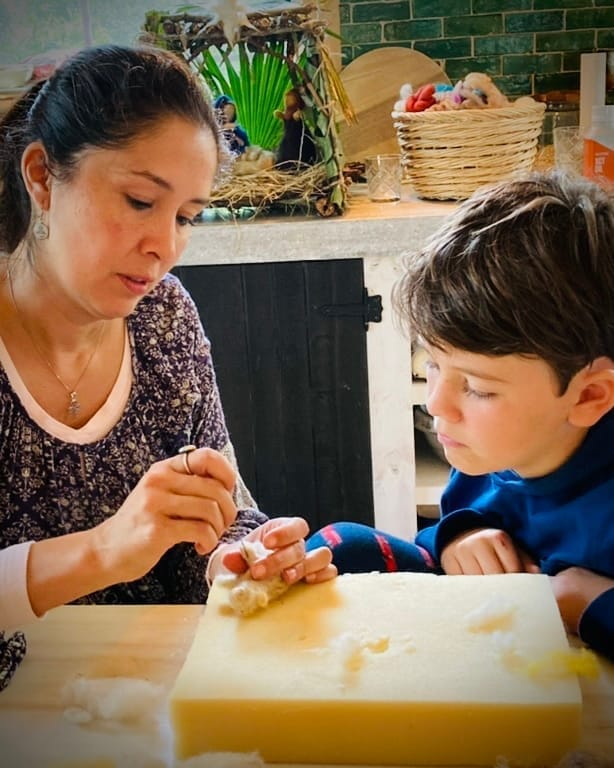
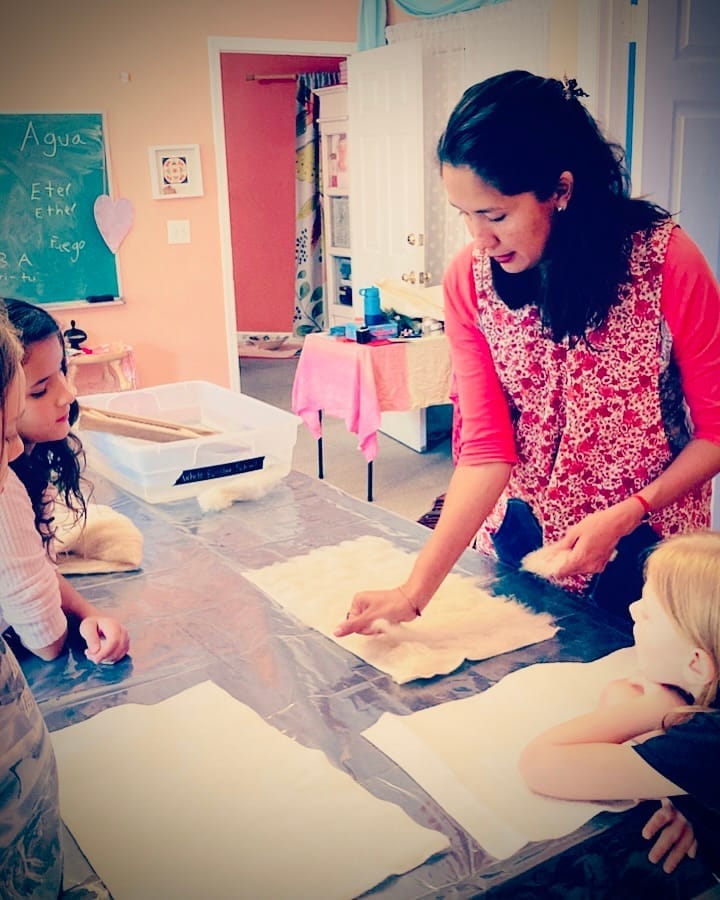
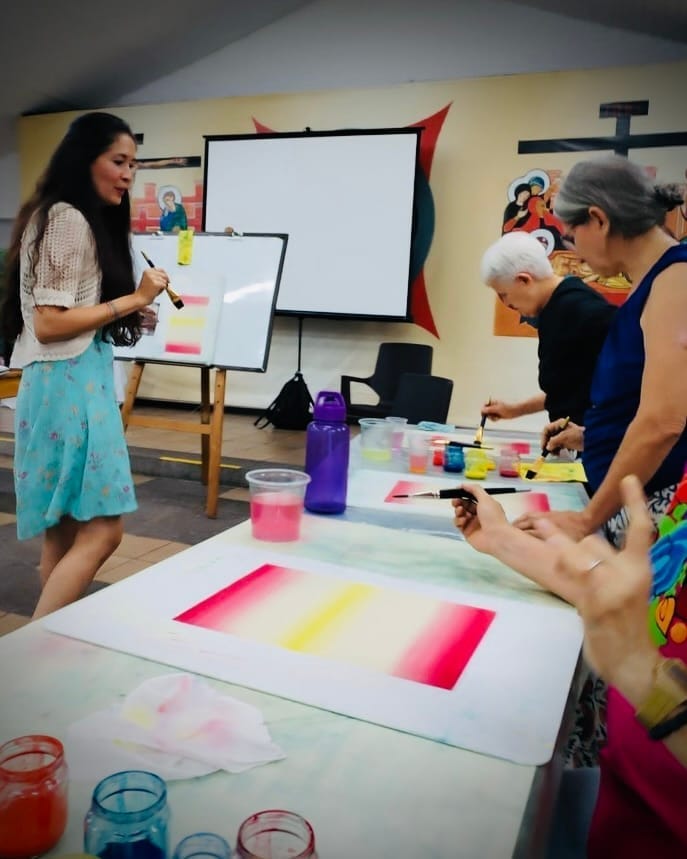
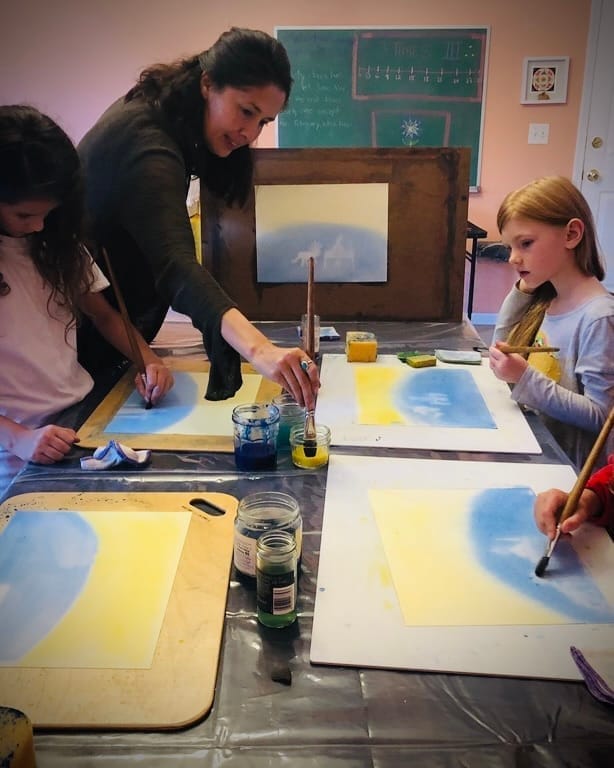
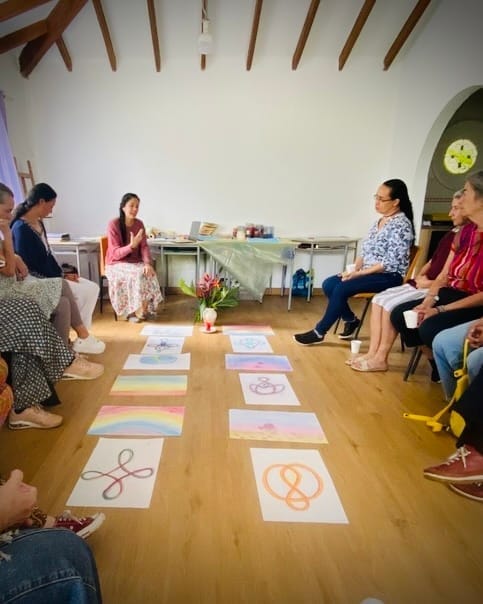
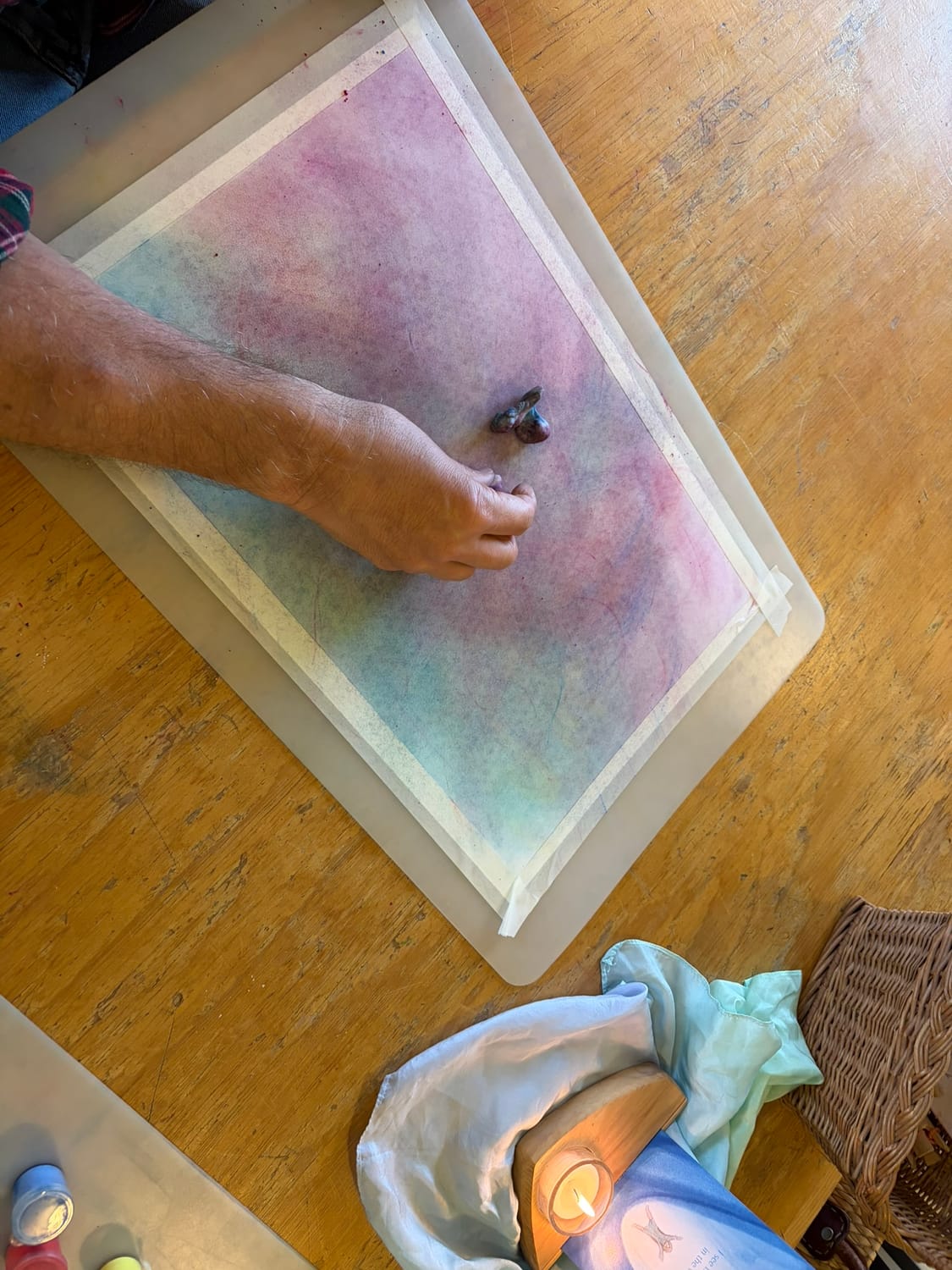
Through pigments, clay, form drawing, beeswax crayons, and intentional movement, each encounter becomes an invitation to slow down, breathe, observe, and participate in a shared creative process.
The artwork itself is never the destination. The process is.
A Journey Built on Trust
One experience from this season remains especially meaningful.
During eight consecutive weekly sessions with a resident from a Camphill community, our communication developed almost entirely without words.
At first, our work consisted simply of discovering which artistic materials invited genuine engagement. We explored watercolor, pigments, clay, beeswax crayons, and soy-based stone crayons until a natural artistic dialogue slowly began to emerge.
Week after week, trust revealed itself—not through conversation, but through repeated gestures, shared attention, and the quiet rhythm of creating together.
Every session began in the same way: lighting a candle, sharing an inspirational verse, and entering the artistic process with intention.
A Moment Beyond Words
During our final meeting, something unexpected happened.
As I read the opening verse aloud, he repeated it after me with enthusiasm. It was the first time I had heard him speak so many words during our work together.
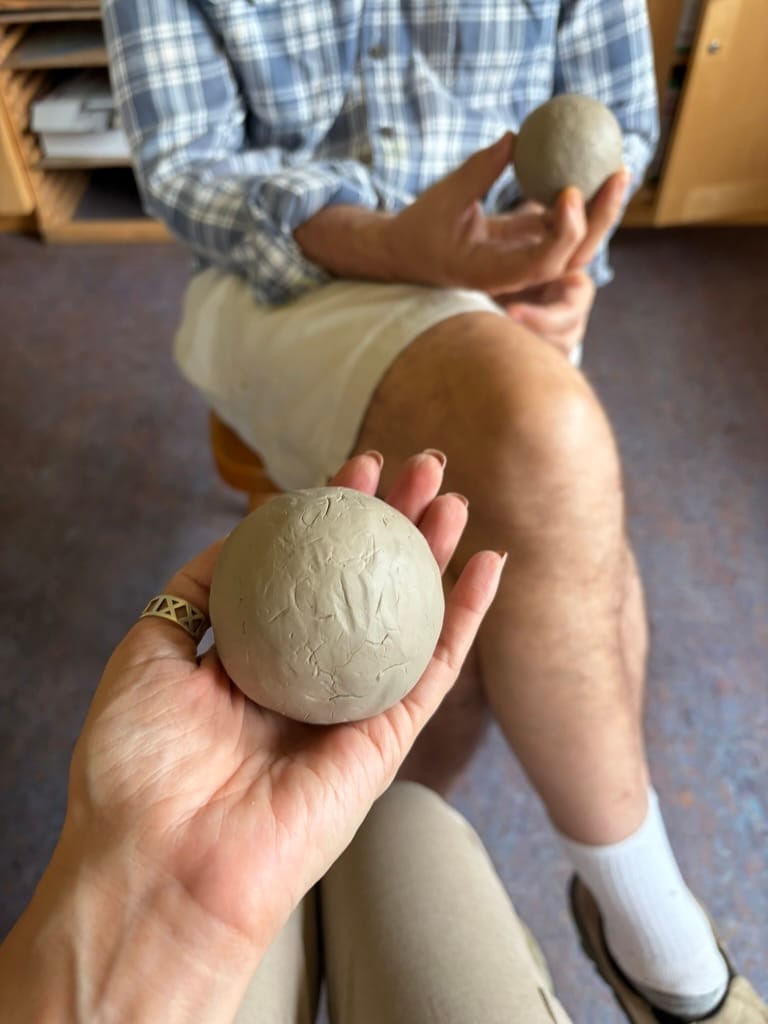
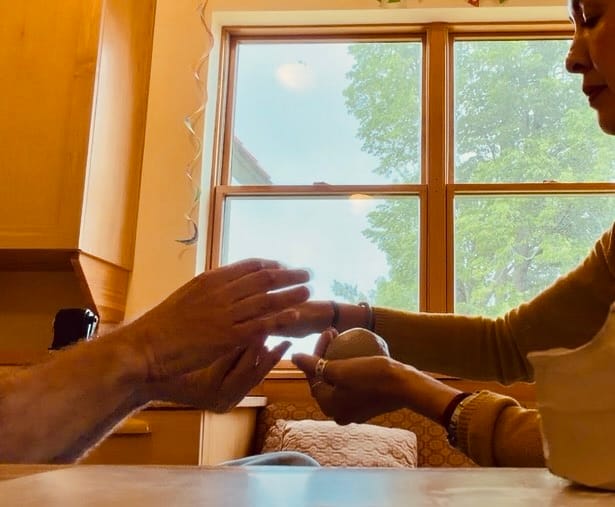
Later, while we were shaping clay spheres—a familiar exercise we had practiced throughout the process—he gently leaned his forehead against mine and rested there for a quiet moment.
Nothing needed to be explained.
No interpretation was necessary.
It was simply a profoundly human encounter.
The Salutogenic Perspective
For me, moments like these beautifully illustrate the essence of a salutogenic approach.
The goal is not to “fix” someone or measure success through outcomes. Instead, it is to create conditions where health-supporting experiences can emerge naturally through rhythm, beauty, artistic activity, and authentic human presence.
Sometimes what changes is not dramatic.
Sometimes it is the willingness to explore a new material.
Sometimes it is the expansion of movement across a page.
Sometimes it is the warmth of a clay sphere passed from one pair of hands to another.
Sometimes it is the courage to repeat a sentence aloud.
And sometimes it is simply the quiet gesture of placing one’s head against another’s, expressing trust without words.
Each of these moments reflects the quiet ways in which health can emerge through meaningful connection.
When Healing Begins with Relationship
These experiences continue to remind me that healing is often less about intervention and more about relationship.
Art offers a place where people can be fully met—not because of what they produce, but because of who they are.
That is the work that continues to inspire Amantolli Studio.
It is the work of creating salutogenic encounters through art.
Check these out
Join Our Creative Circle
Receive updates on workshops, art therapy insights, and resources to inspire a more mindful and creative life.
Your email address is safe with us. We never share your information with anyone.
Read our Privacy Policy for more details.