



Anthroposophic Art Therapy: A Salutogenic Path to Healing and Well-Being
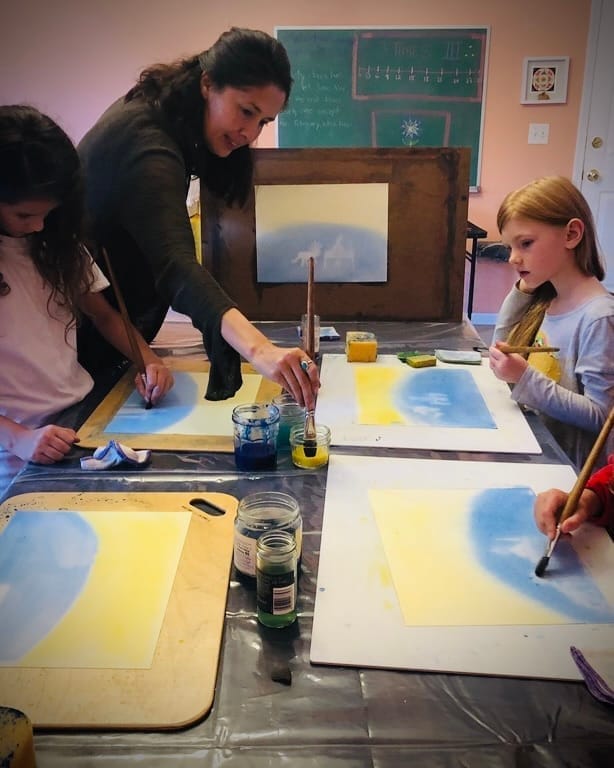
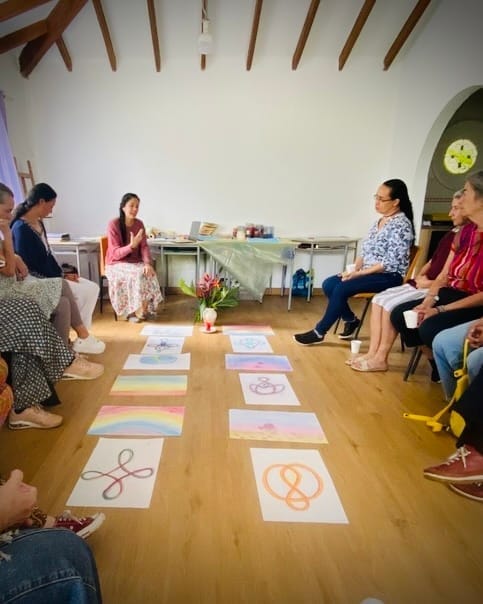
Art has always been a source of healing for the human soul. In the field of salutogenic arts, this healing potential is cultivated and guided to strengthen inner balance and resilience. Anthroposophic Art Therapy, founded in 1926 by physician Margarethe Hauschka, is a therapeutic discipline that uses painting, drawing, and sculpture as pathways to activate processes of thinking, feeling, and willing. Today, it is practiced in hospitals, clinics, and private spaces in more than 80 countries worldwide.
Origins of Anthroposophic Art Therapy
The discipline has its roots in the anthroposophical understanding of the human being developed by Rudolf Steiner (1861–1925), philosopher and founder of anthroposophy. Steiner emphasized that art could act as a healing force for body, soul, and spirit.
Building on this vision, Ita Wegman (1876–1943), a Dutch physician, co-founded anthroposophic medicine with Steiner. In 1921 she established the first clinic in Arlesheim, Switzerland, where artistic and movement therapies were integrated into medical treatment.
Finally, Margarethe Hauschka (1896–1980), physician and student of both Steiner and Wegman, gave shape to the discipline. In 1926 she developed the systematic practice of anthroposophic art therapy, using painting, drawing, and sculpture as therapeutic media.
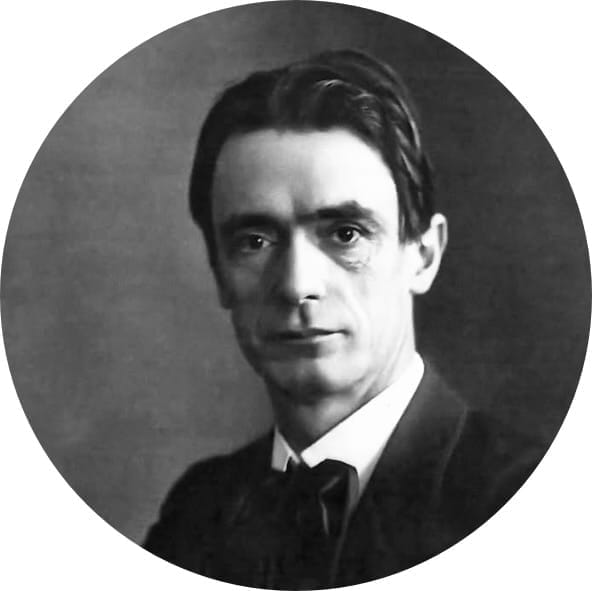
Rudolf Steiner
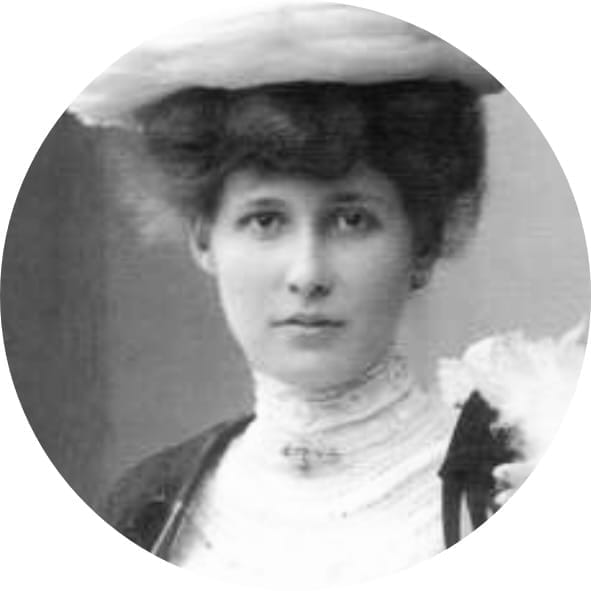
Ita Wegman
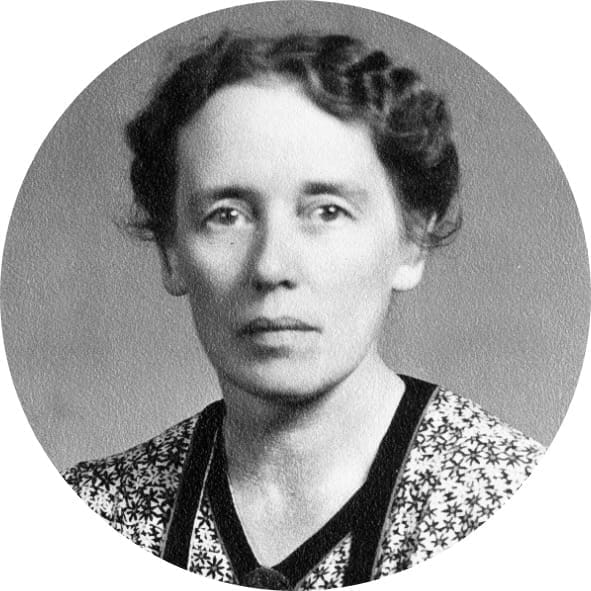
Margarethe Hauschka
Together, Steiner provided the vision, Wegman created the medical space, and Hauschka shaped the discipline. This collaboration marked the birth of Anthroposophic Art Therapy as we know it today..
The Salutogenic Approach
Unlike therapies that focus solely on illness or diagnosis, anthroposophic art therapy can also be experienced as a space of connection, renewal, and growth. It strengthens the human capacity for health by cultivating creativity and balancing inner processes. Through artistic practice, individuals reconnect with their life forces, supporting personal, spiritual, and integral well-being.
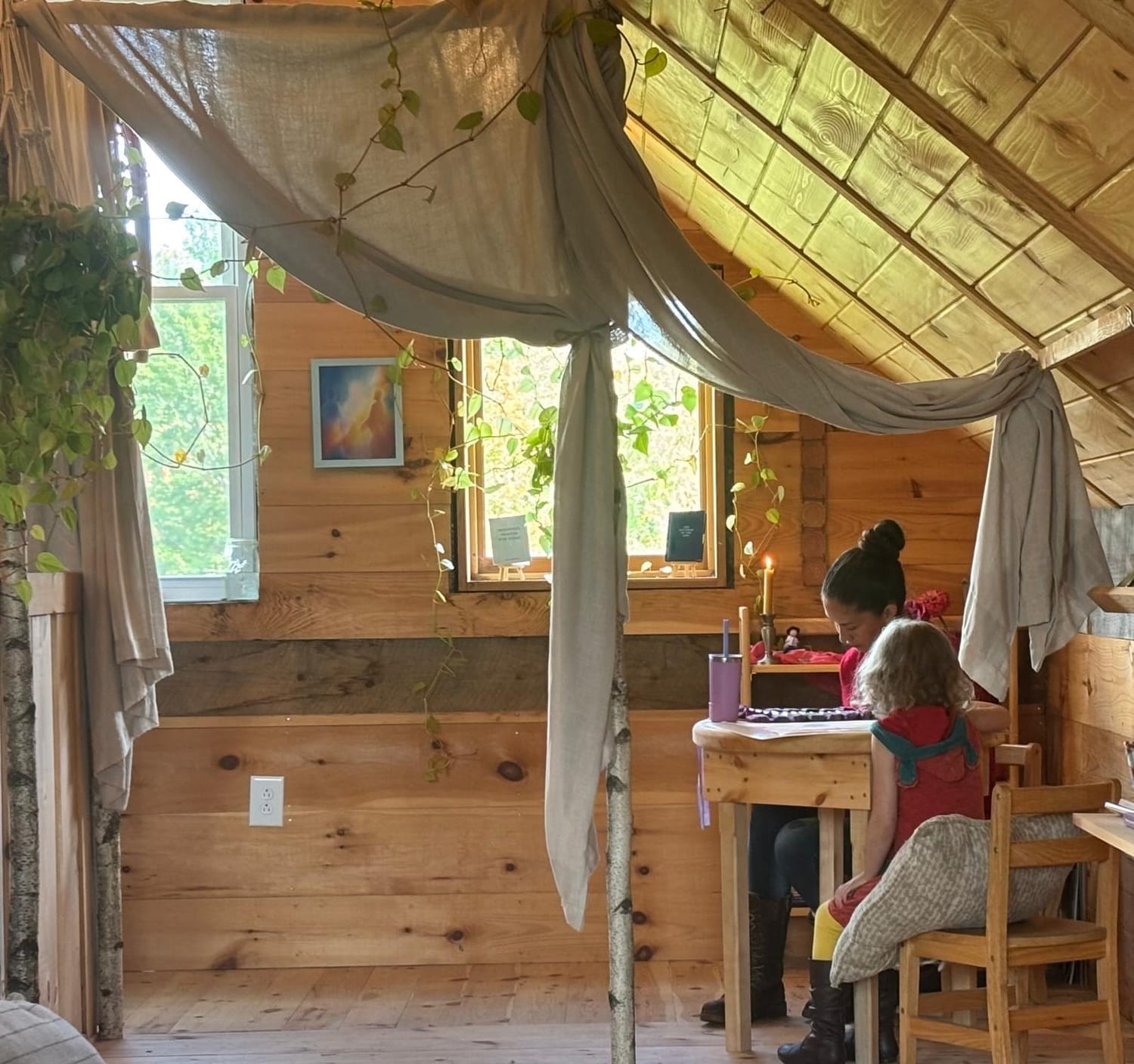
How It Works in Practice
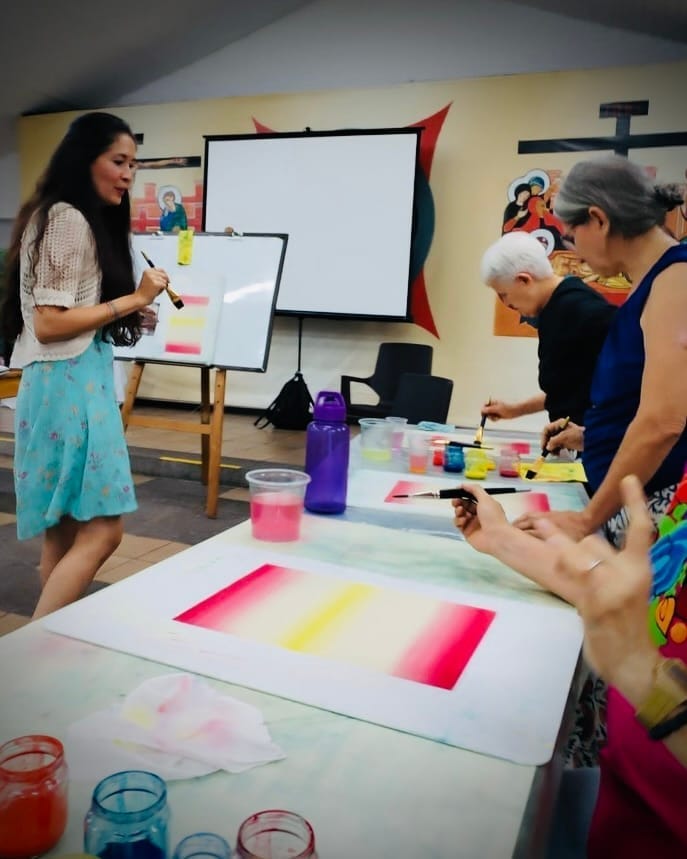
Painting: Encourages fluidity, rhythm, and emotional expression.
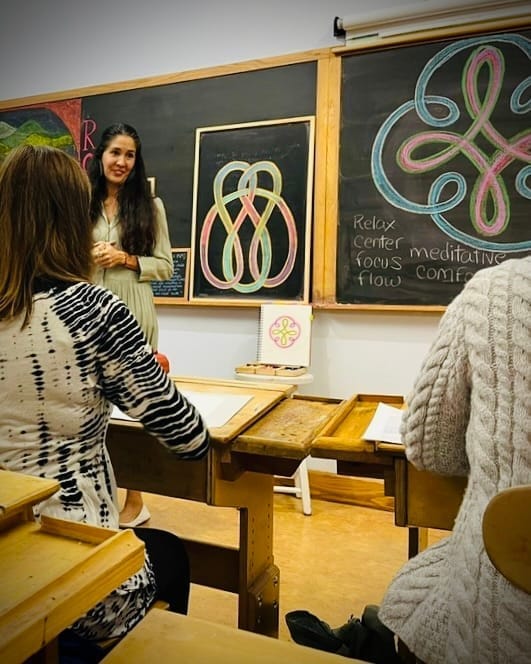
Drawing: Develops clarity, form, and inner balance.
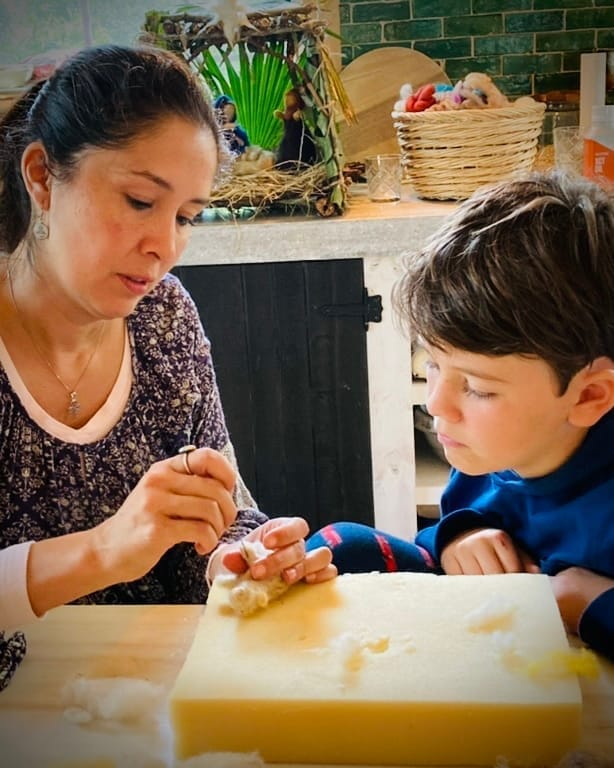
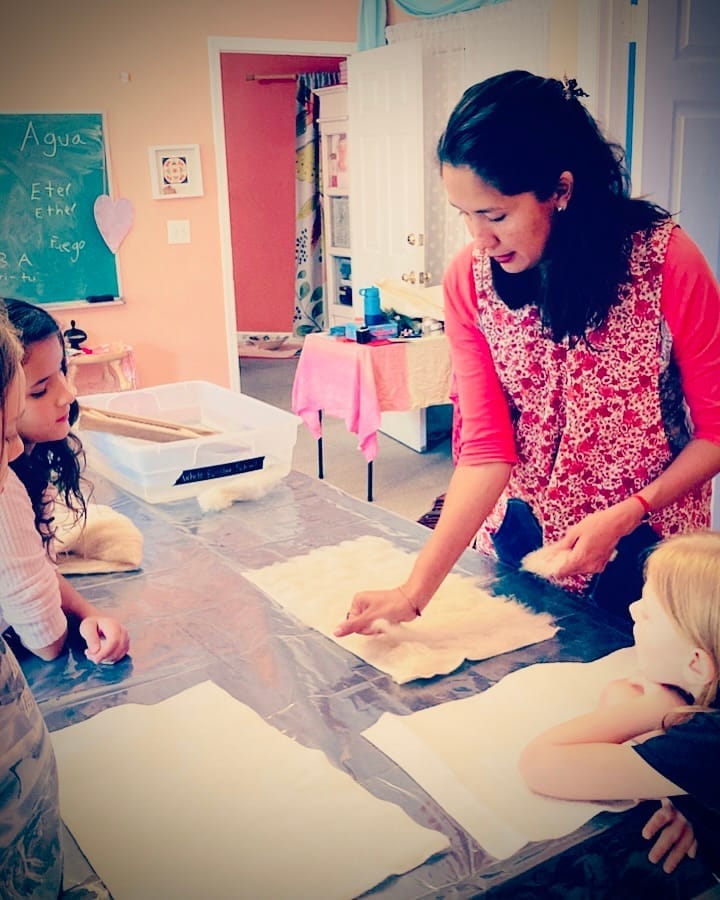
Sculpture: Awakens willpower, grounding, and resilience.
These practices are not about artistic results, but about the healing process they awaken within the individual.
Anthroposophic Art Therapy reminds us that creativity is not a luxury, but a vital force for health and transformation. At Amantolli Studio, we embrace this salutogenic perspective—using the arts as a bridge to well-being, resilience, and deeper connection with life.
Check these out
Join Our Creative Circle
Receive updates on workshops, art therapy insights, and resources to inspire a more mindful and creative life.
Your email address is safe with us. We never share your information with anyone.
Read our Privacy Policy for more details.